 Esports / FPS
Counter-Strike 2
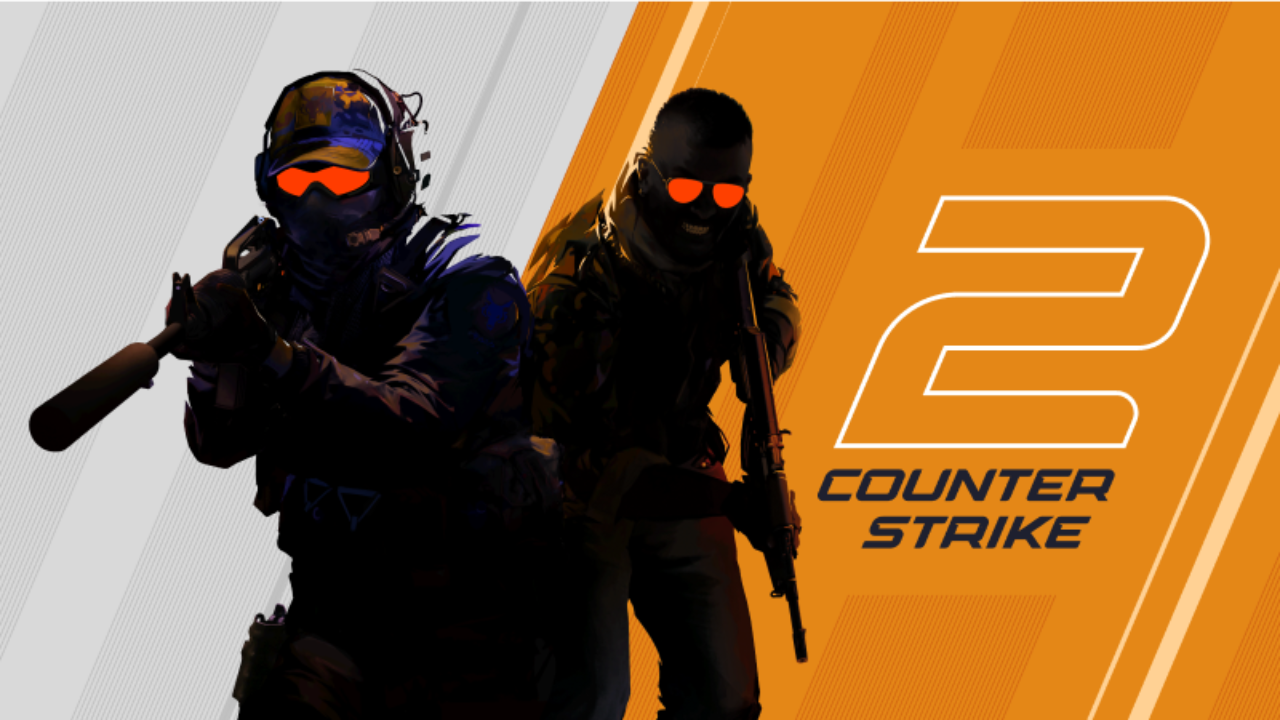
Counter-Strike 2 is Valve's ground-up rebuild of the twenty-five-year-old Counter-Strike franchise, released in September 2023 as a free upgrade for existing Counter-Strike: Global Offensive owners. Where CS:GO had been running on an increasingly patched version of the Source engine since 2012, Counter-Strike 2 moves the entire game onto Source 2, the engine Valve has used for Dota 2 and Half-Life: Alyx, bringing with it fully overhauled lighting, smoke, and sound systems while keeping the core five-versus-five, round-based, bomb-defusal gameplay that has defined the series since the original Half-Life mod launched in 1999. The fundamental loop remains instantly familiar to anyone who has played any Counter-Strike game: two teams, Terrorists and Counter-Terrorists, face off in short rounds where one side tries to plant and detonate a bomb at one of two sites while the other tries to stop them, or eliminate the opposing team outright, or in hostage-rescue maps, extract civilians. Economy management between rounds — deciding whether to buy rifles and armor or save money for a stronger following round — remains one of the deepest strategic layers in competitive gaming, and it's part of why CS has remained a top esport for over two decades, with Counter-Strike 2 immediately becoming the primary competitive title for the scene's Majors, tournaments run in partnership with Valve that carry some of the largest prize pools in esports. The single biggest technical change in Counter-Strike 2 is its physically-based rendering and dynamic lighting, replacing CS:GO's largely static, baked lighting with fully dynamic light and shadow that responds in real time to smoke grenades, flashbangs, and destructible elements. Smoke grenades in particular were completely redesigned as volumetric objects that interact with the game world — smoke fills stairwells, flows around corners, and can be temporarily punched through with grenades or gunfire, adding an entirely new layer of tactical depth that didn't exist in the same form in CS:GO. Valve also rebuilt the game's netcode with what it calls "sub-tick" updates, which register player actions like shooting and movement at the exact moment they happen rather than snapping to the nearest server tick, addressing one of the longest-running technical complaints from the competitive community about tick-rate-based hit registration. Because Counter-Strike has always prioritized broad accessibility over cutting-edge visuals, Counter-Strike 2's hardware requirements remain remarkably modest for a modern multiplayer shooter — a machine that struggles to run recent AAA releases at all can often still run CS2 at very high frame rates, which matters enormously in a game where competitive players routinely chase 240Hz-plus frame rates on high-refresh monitors, since visual clarity and consistent frame timing translate directly into better reaction times and more predictable recoil control. This scalability is part of the reason Counter-Strike has remained one of the most-played games on Steam continuously since its release, alongside Dota 2 and PUBG, and one of the most popular titles among aspiring esports professionals. Counter-Strike 2 is free to play, monetized primarily through cosmetic weapon skins, gloves, and knives that can be traded, bought, and sold on the Steam Community Market, an economy so large that individual rare skins have sold for tens of thousands of dollars. Prime Status, a paid account upgrade inherited from CS:GO, matches players with other verified accounts to reduce cheating and smurfing in matchmaking, while Valve continues to iterate on its VAC (Valve Anti-Cheat) and Trust Factor matchmaking systems to keep competitive play fair. Between its low hardware bar, deep tactical systems, and two-and-a-half-decade competitive history, Counter-Strike 2 remains one of the most enduring esports titles in PC gaming.
FPS für dieses Spiel berechnen